
Making three-dimensional, physical versions of those characters feel right required honoring the source material as much as the space itself.
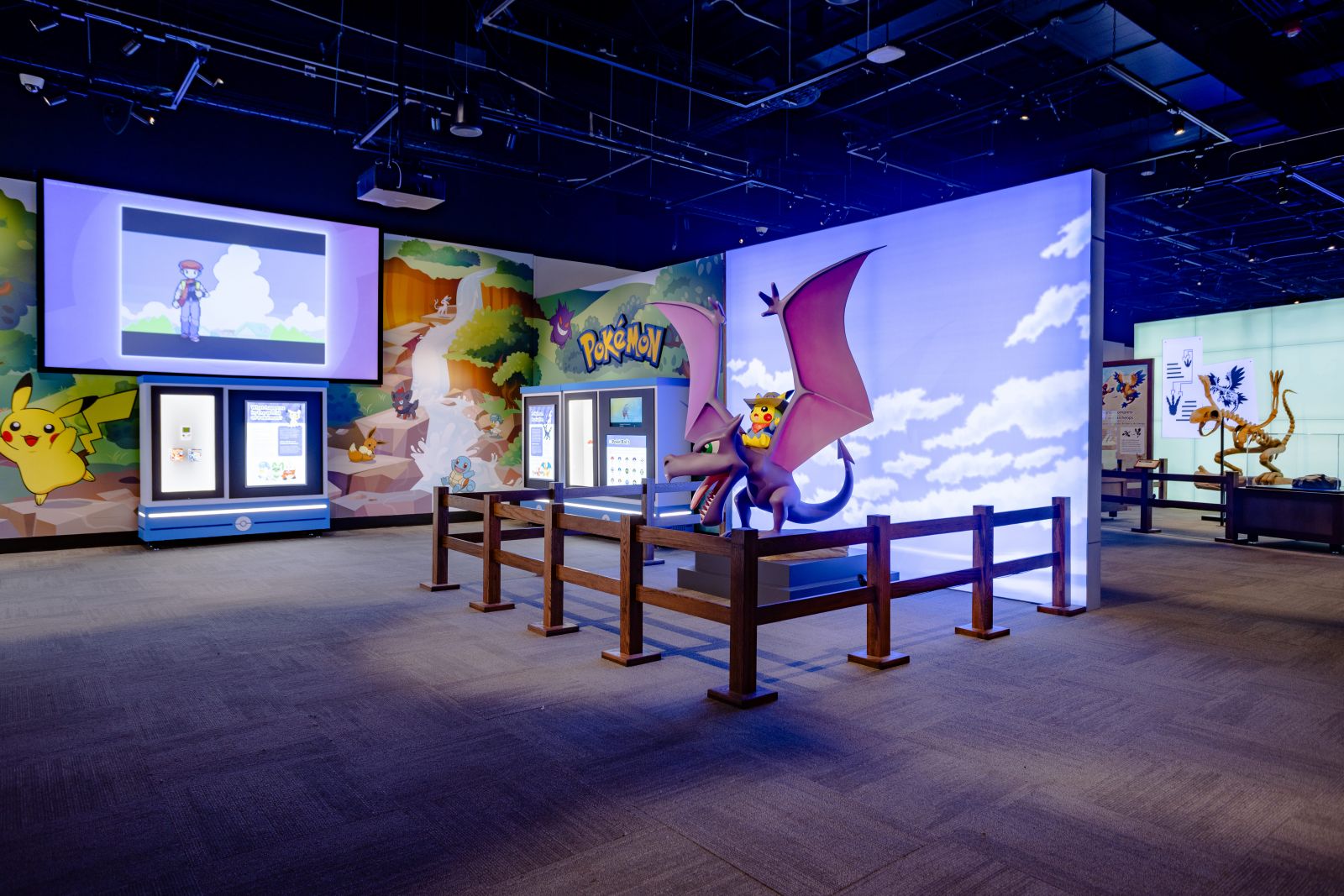
Making three-dimensional, physical versions of those characters feel right required honoring the source material as much as the space itself.
The Pokémon Fossil Museum is an 8,170-square-foot temporary exhibit at Chicago's Field Museum of Natural History. It is the first of its kind. Originally built and installed in Japan, the exhibit made its North American debut at Chicago’s Field Museum. With an enormous audience already waiting for its premiere, it quickly became the most popular exhibit in Field Museum history, requiring separate ticketing and selling 30,000 tickets on the first day of availability.
Morlights was engaged to develop the lighting design for the North American installation, working within guidelines established by Pokémon Corporate and previously implemented in Japan, while creating an experience calibrated for a new audience and a new cultural context.
Creative + Technical: The Morlights Approach
The exhibit presented a challenge: Pokémon is a known quantity and its huge following, and corporate standards expect the characters presented in a particular way.
Making three-dimensional, physical versions of those characters feel right required honoring the source material as much as the space itself. Working within parameters set by Pokémon Corporate and the Field Museum, Morlights developed a lighting strategy that balanced fidelity to the brand's visual language, environmental storytelling across themed zones, and operational simplicity for museum staff.
Creative Strategy: Lighting a World Visitors Already Know
Honoring the Source Material
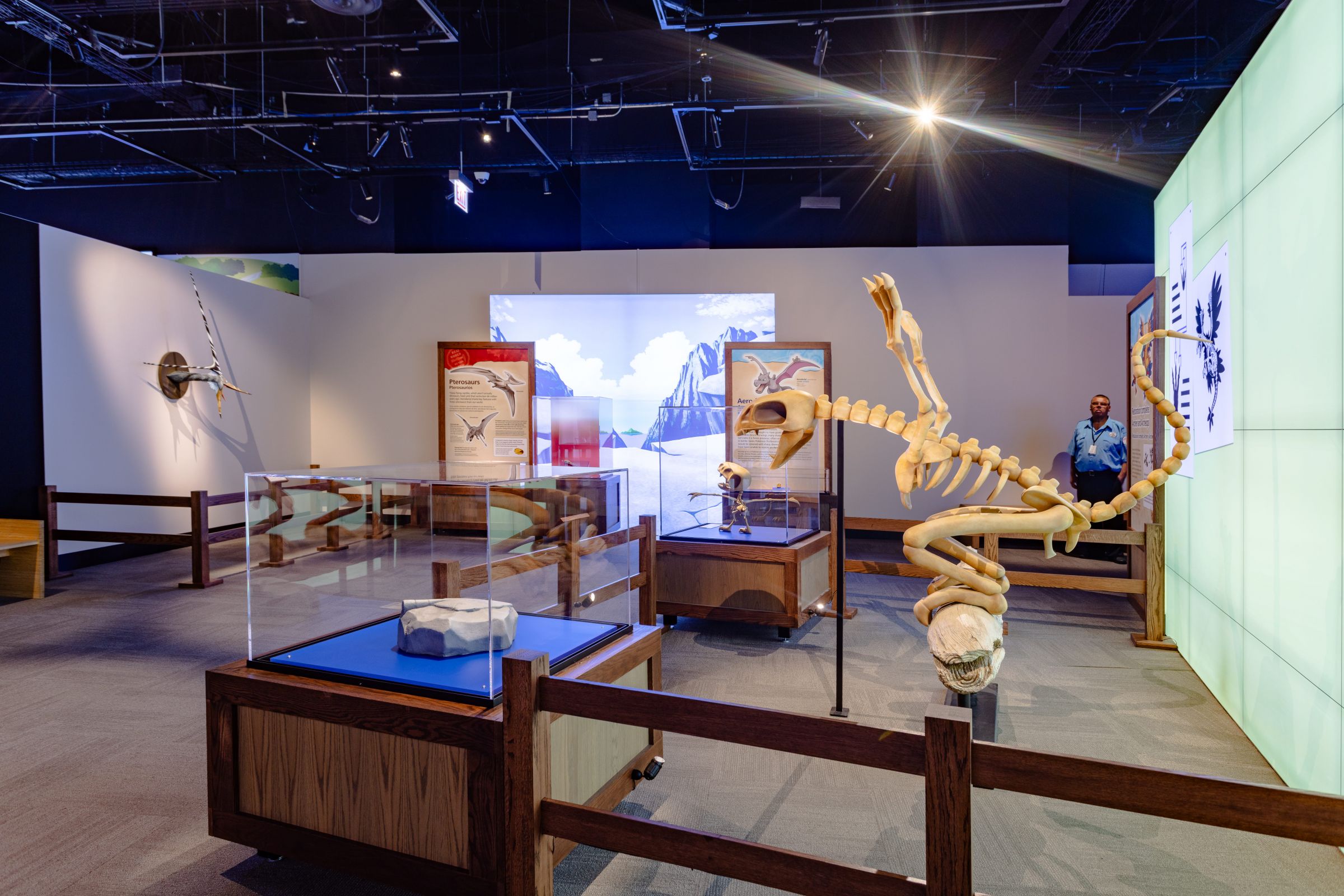
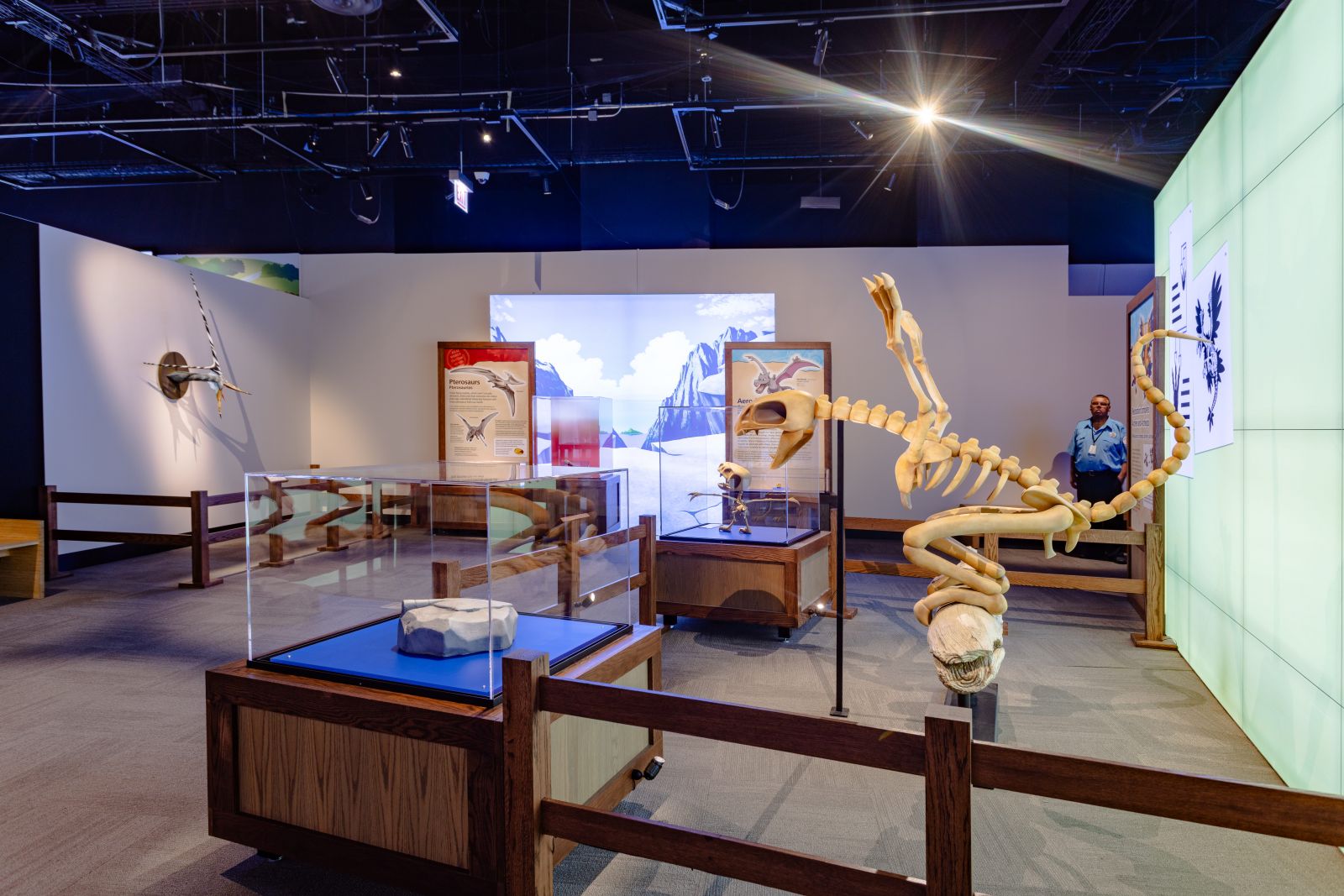
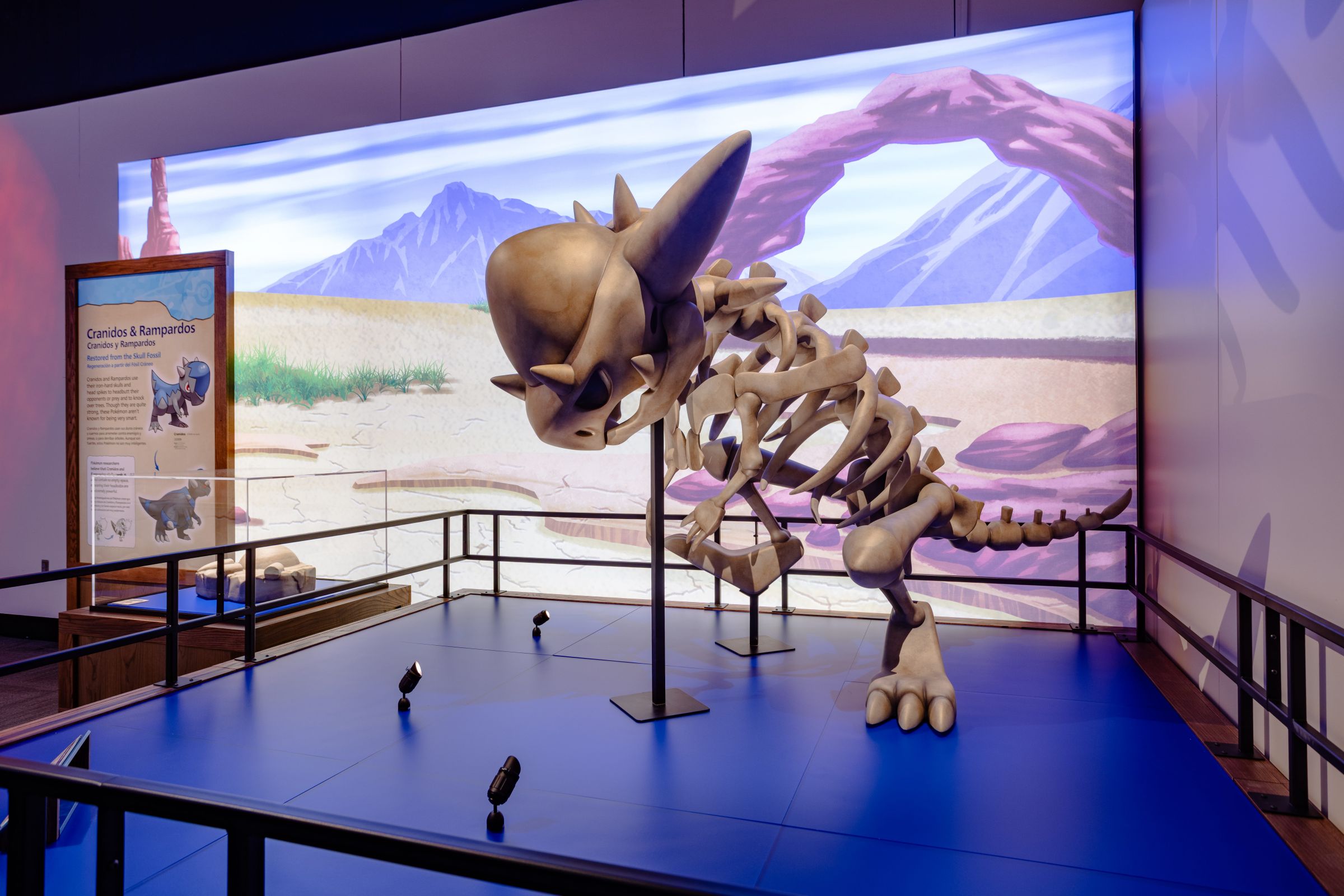
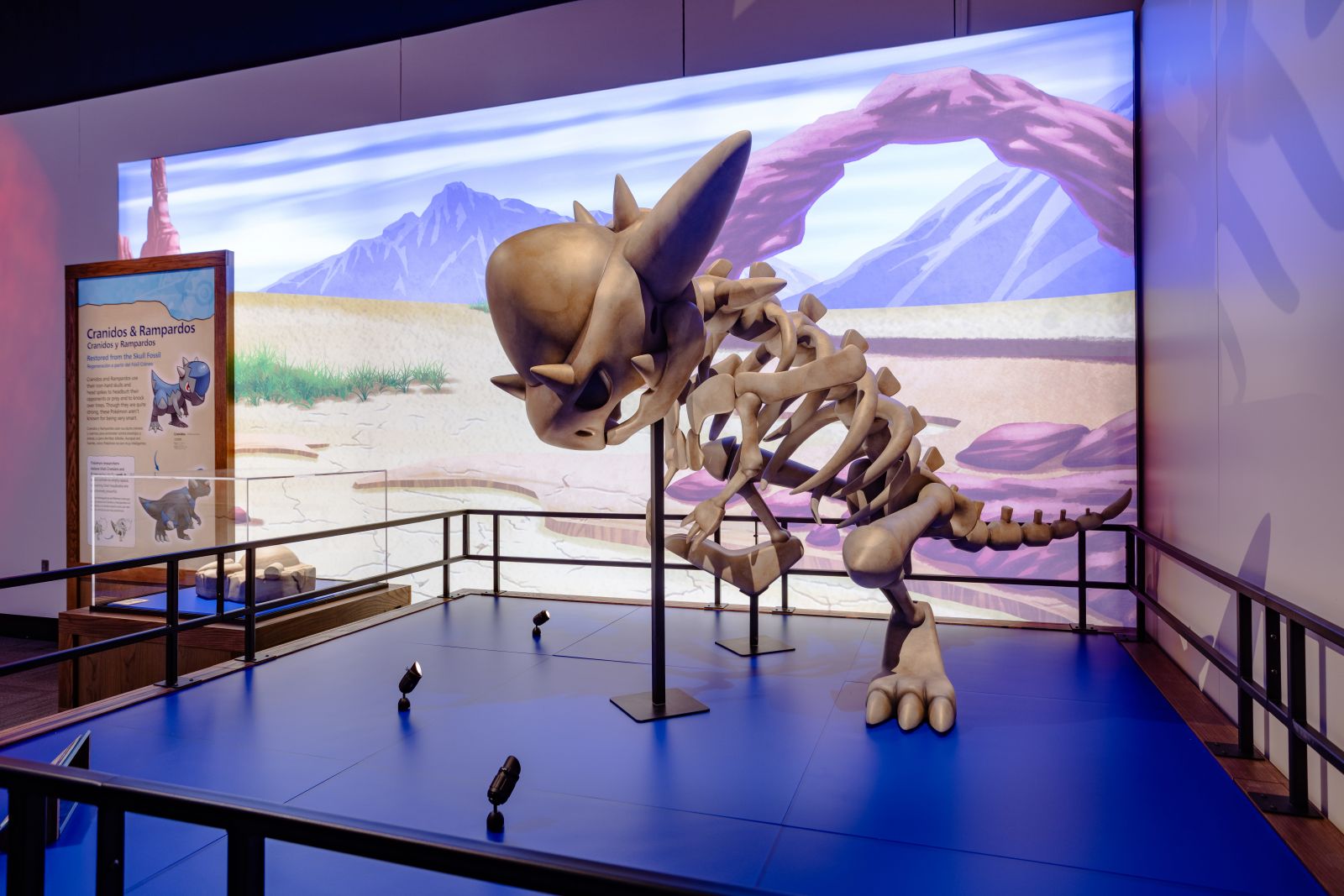
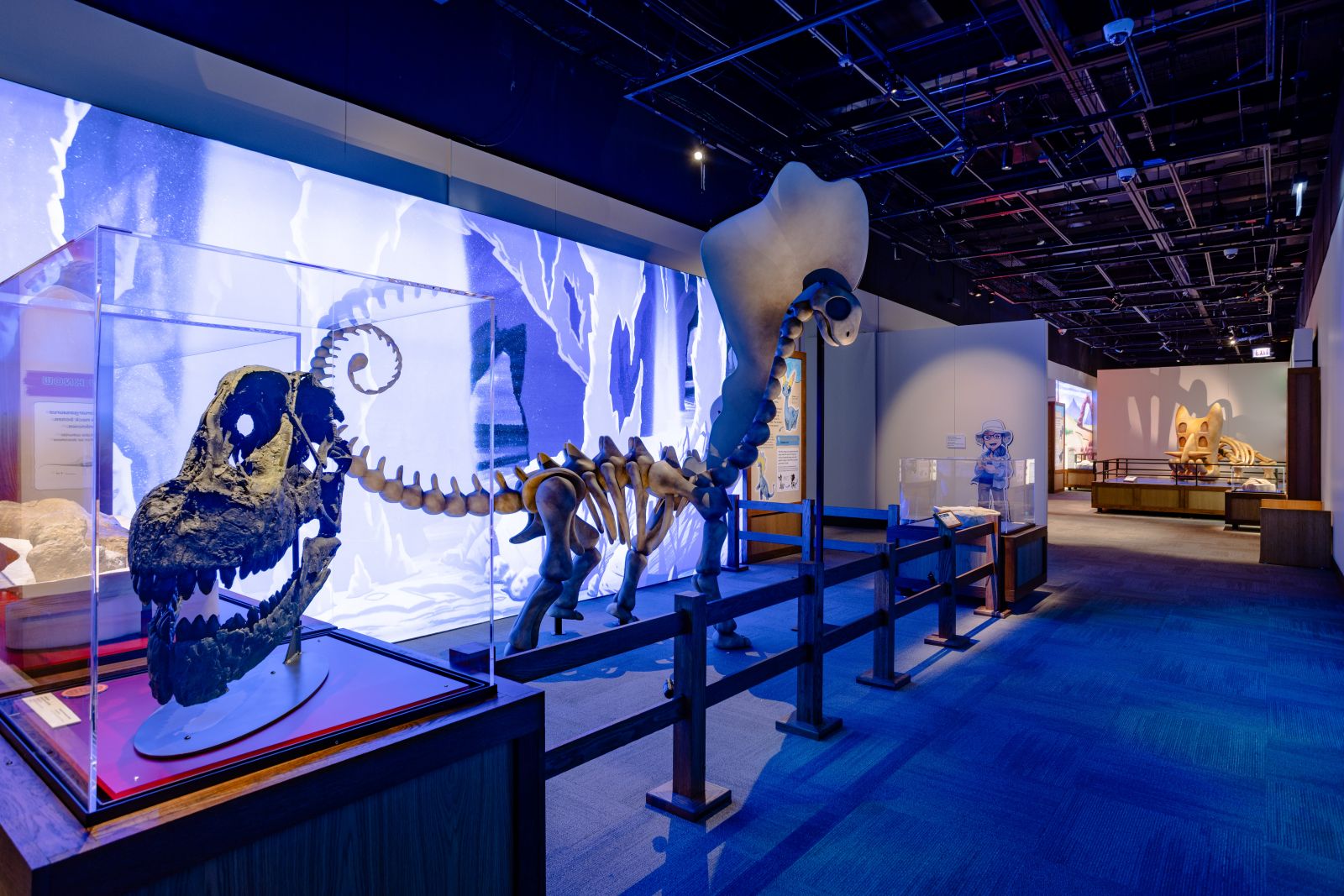
The exhibit's central creative challenge was dimensional. Pokémon characters are understood as glowing, luminous objects inhabiting a two-dimensional world. In physical space, that quality has to be earned. Morlights maintained pin spot lighting directed from below, a design feature carried over from the original Japanese installation and specified by Pokémon Corporate, as the foundation for how individual objects were illuminated. The result preserves the characteristic glow that audiences recognize while giving three-dimensional forms the presence and depth.
Zone-Based Environmental Storytelling
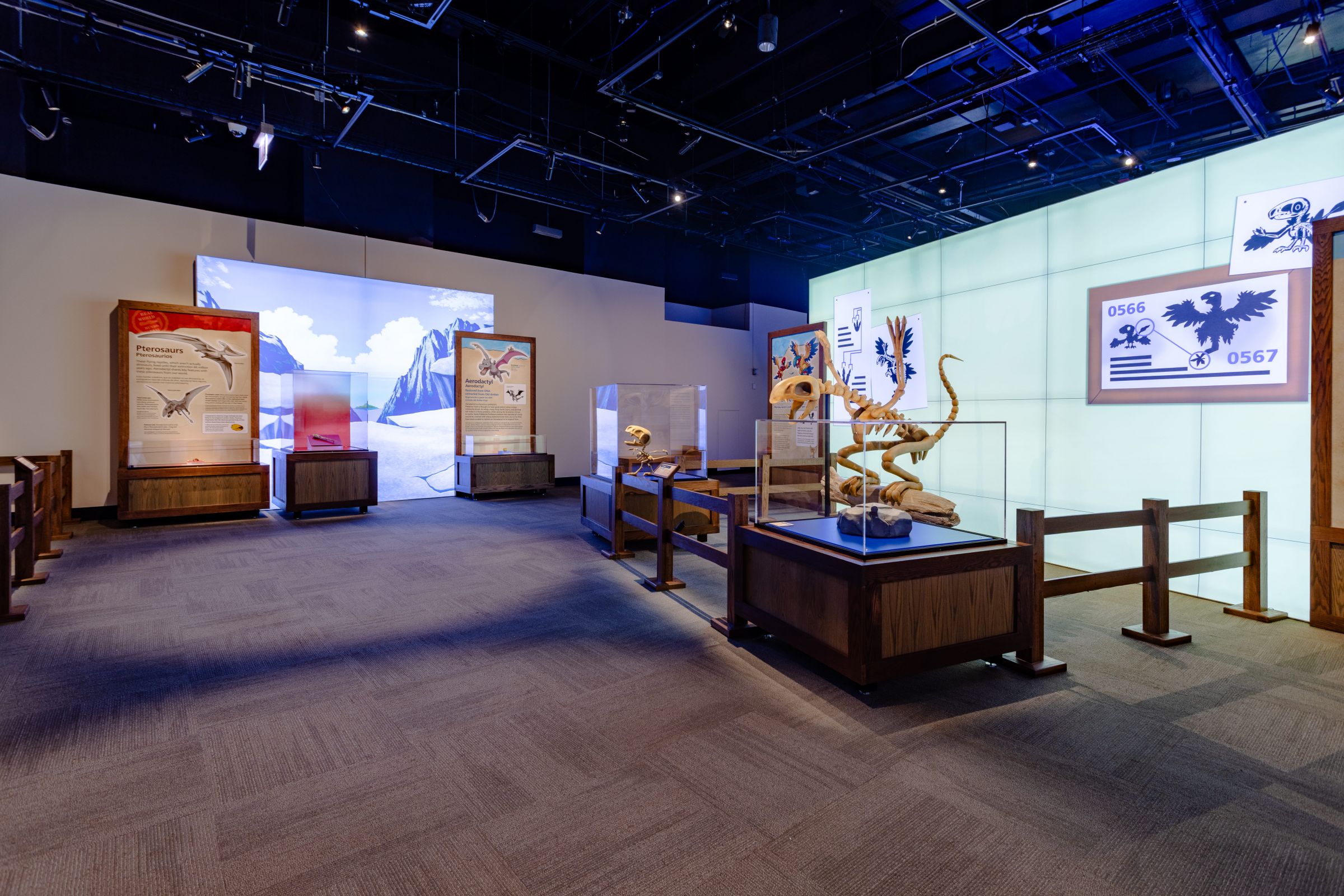
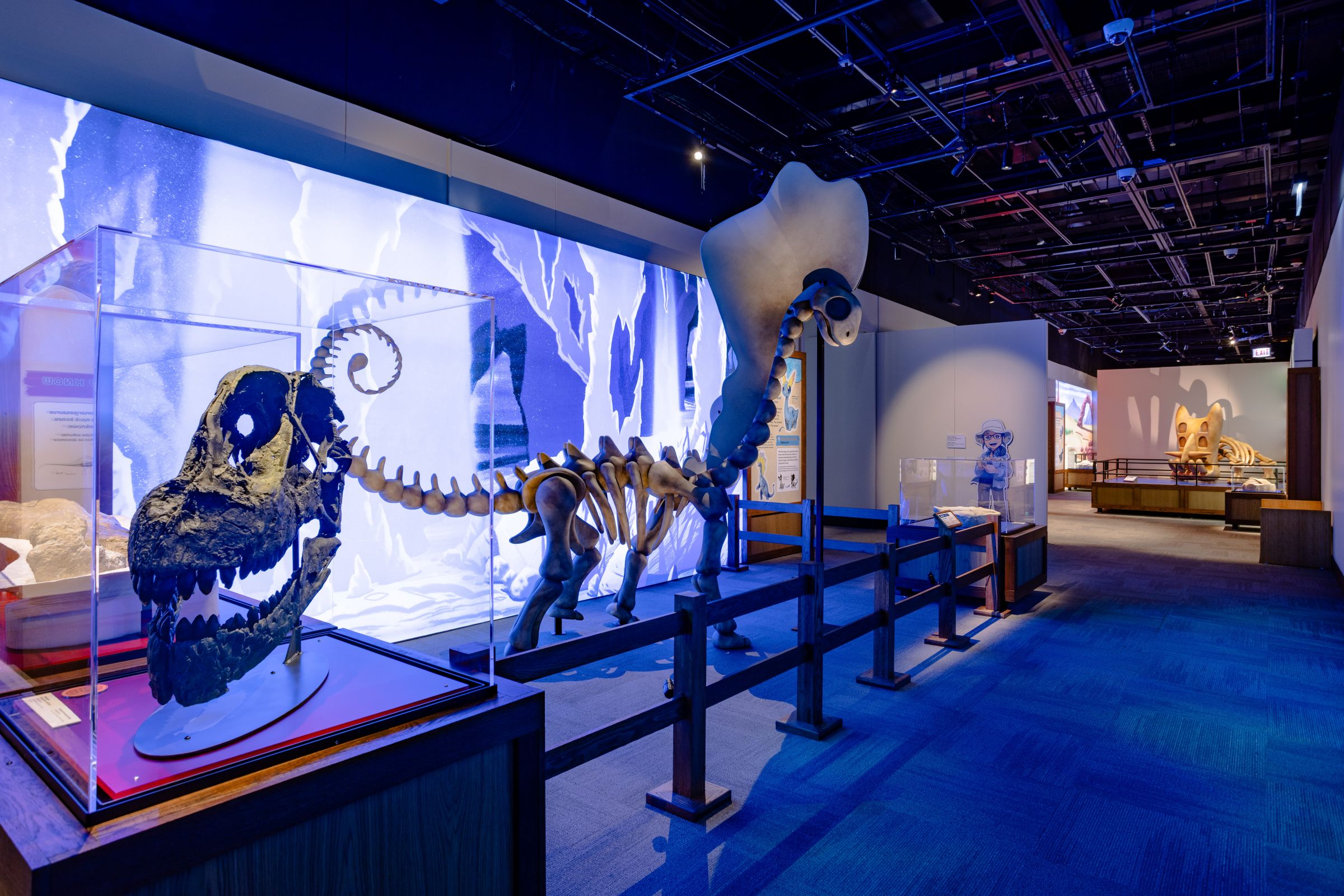
The exhibit follows a narrative arc, beginning with a broad introduction to Pokémon lore and progressing through themed environments — water, tropical, and desert — each drawing archaeological parallels to real-world fossil science. Every zone required its own atmospheric identity. Morlights used colored lighting and motion effects to mark transitions between environments, reinforcing the exhibit's narrative logic without interrupting its momentum. Uplights and gobos projected onto surrounding walls created drama and depth while keeping the register engaging.
Managing the Unexpected
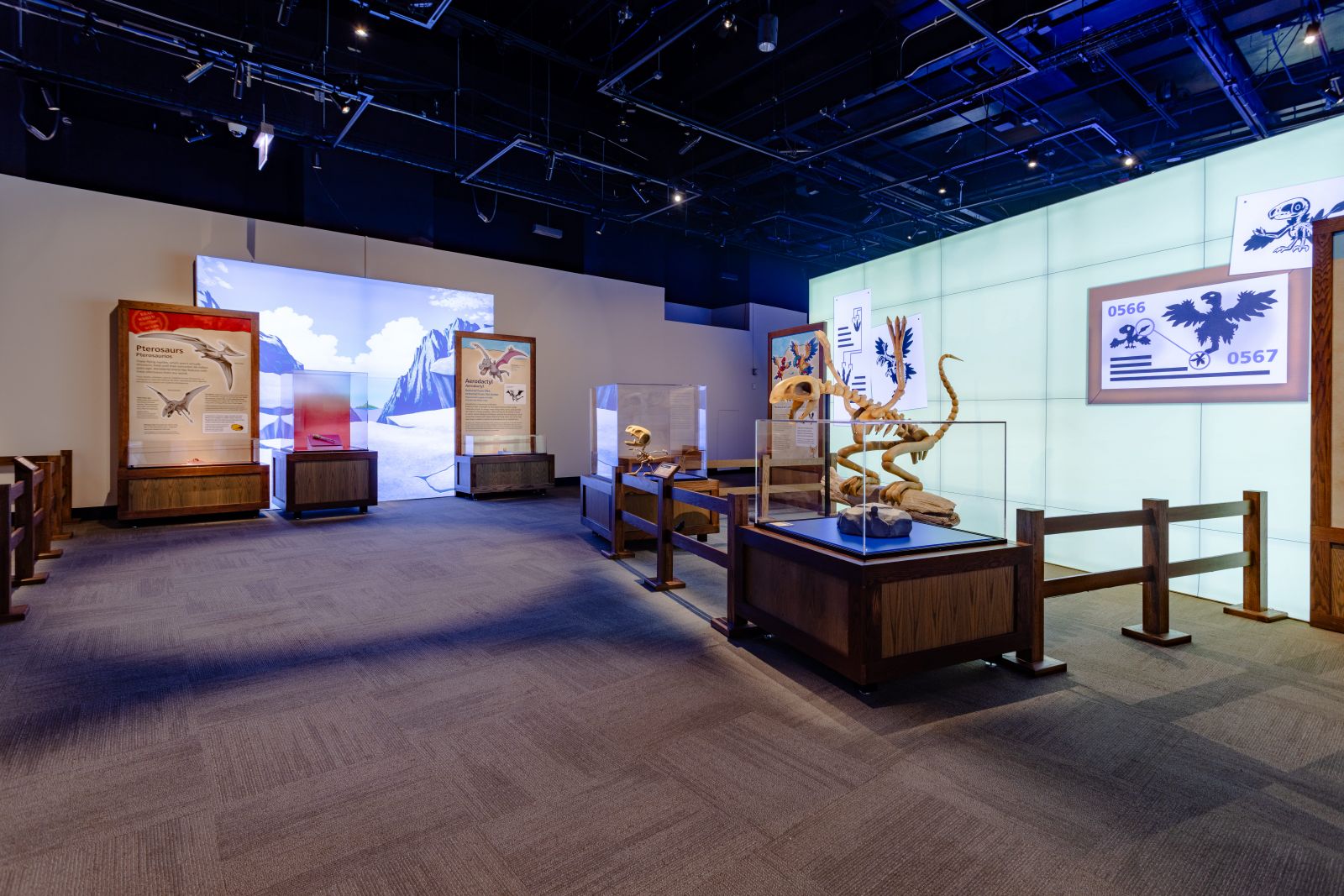
The exhibit's backlit graphic panels presented an unanticipated challenge: at 50 foot-candles, they were significantly brighter than the surrounding environment, threatening to overwhelm featured objects and flatten the spatial experience. Rather than compromise the graphics, Morlights introduced supplemental lighting on walls and floors to raise the ambient level and restore visual balance. The intervention allowed the exhibit's featured objects to hold their own against a luminous backdrop and keep the design intent intact.
Technical Strategy: Behind the Experience
Staff-First Controls
Given the Field Museum's operational context, Morlights designed a control approach centered on simplicity. The majority of lighting controls were integrated directly into the fixtures, eliminating the need for complex programming infrastructure and reducing staff training requirements to a minimum. The goal was a system that museum staff could manage with confidence from opening day and that would remain intuitive throughout the exhibit's full run.
Guiding Without Signage
The exhibit does not rely on explicit wayfinding to move visitors through the space. Instead, deliberate shifts in color temperature and lighting intensity across zones do that work naturally. Each environment reads as distinct; the progression from one to the next feels intuitive.
Design Outcomes
The Pokémon Fossil Museum at the Field Museum is high stakes. The characters are beloved, visually specific, and known: visitors arrive with expectations formed over decades of familiarity with the brand. Morlights' work honored those expectations while translating them into physical space, delivering an environment that felt both immediately recognizable and genuinely new. The project reflects a conviction Morlights returns to often: that the best exhibit lighting doesn't compete with what visitors came to see. It makes what they came to see impossible to look away from.
(All photos, (c) Field Museum 2026, photographer Kyle Flubacher)
(c) Field Museum 2026, photographer Kyle Flubacher