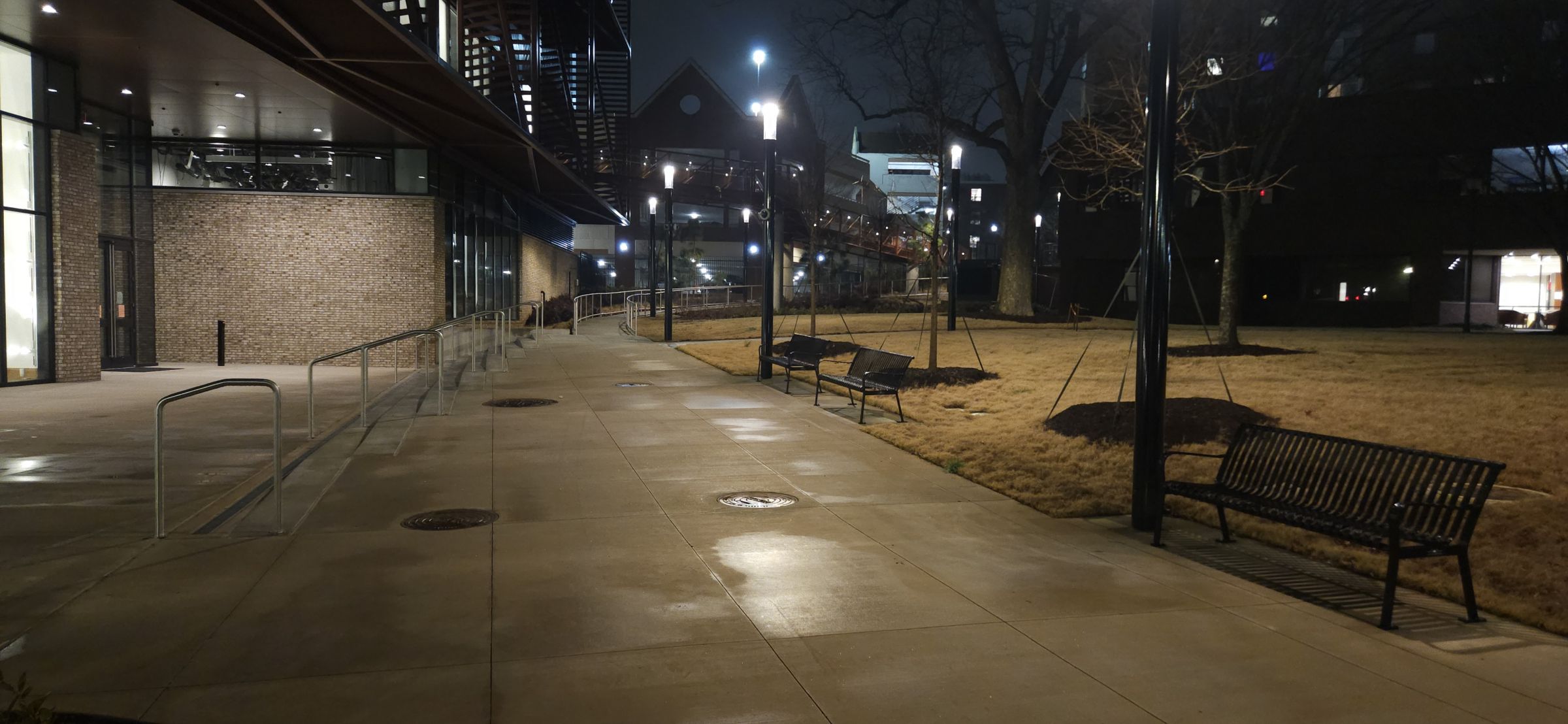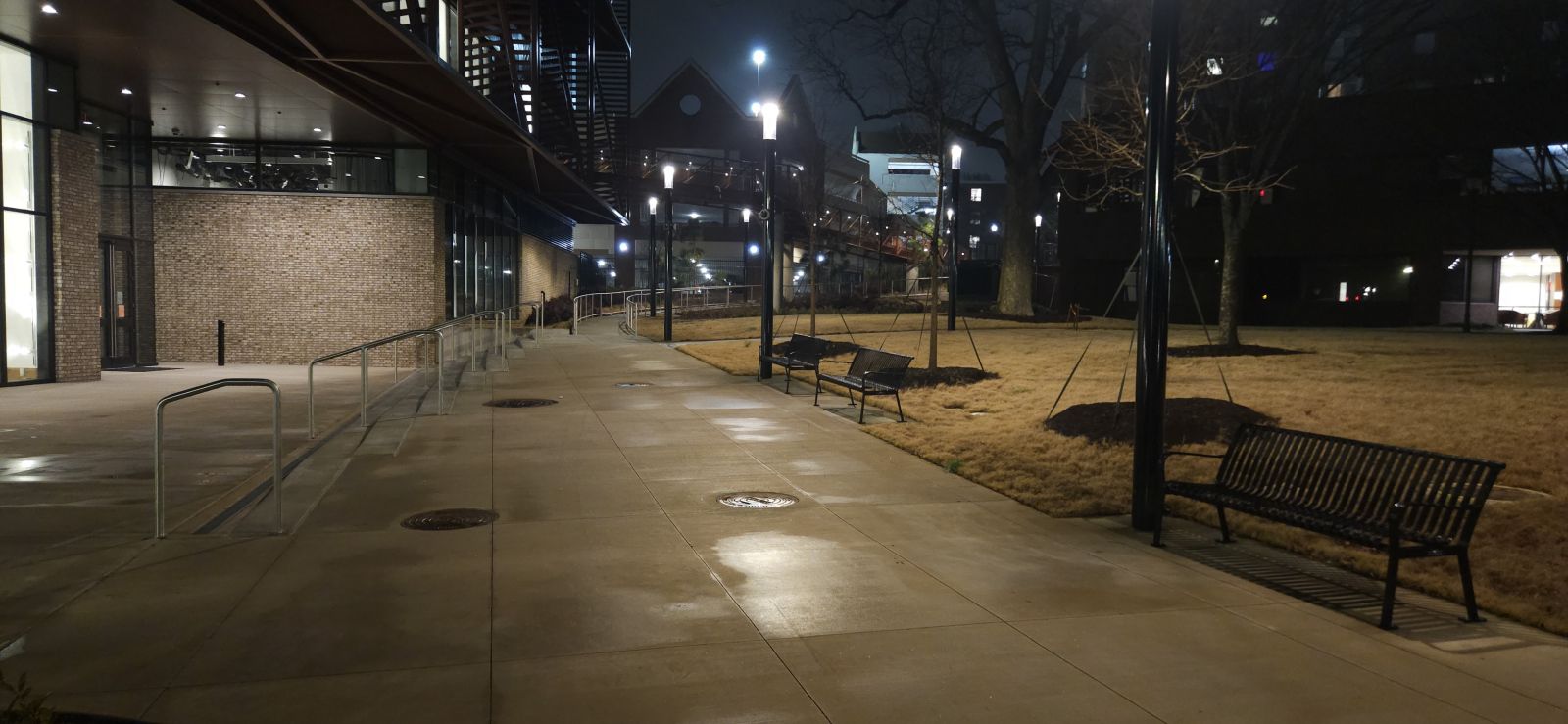
The final design balances theatricality and functionality, bringing clarity and atmosphere to a range of environments.
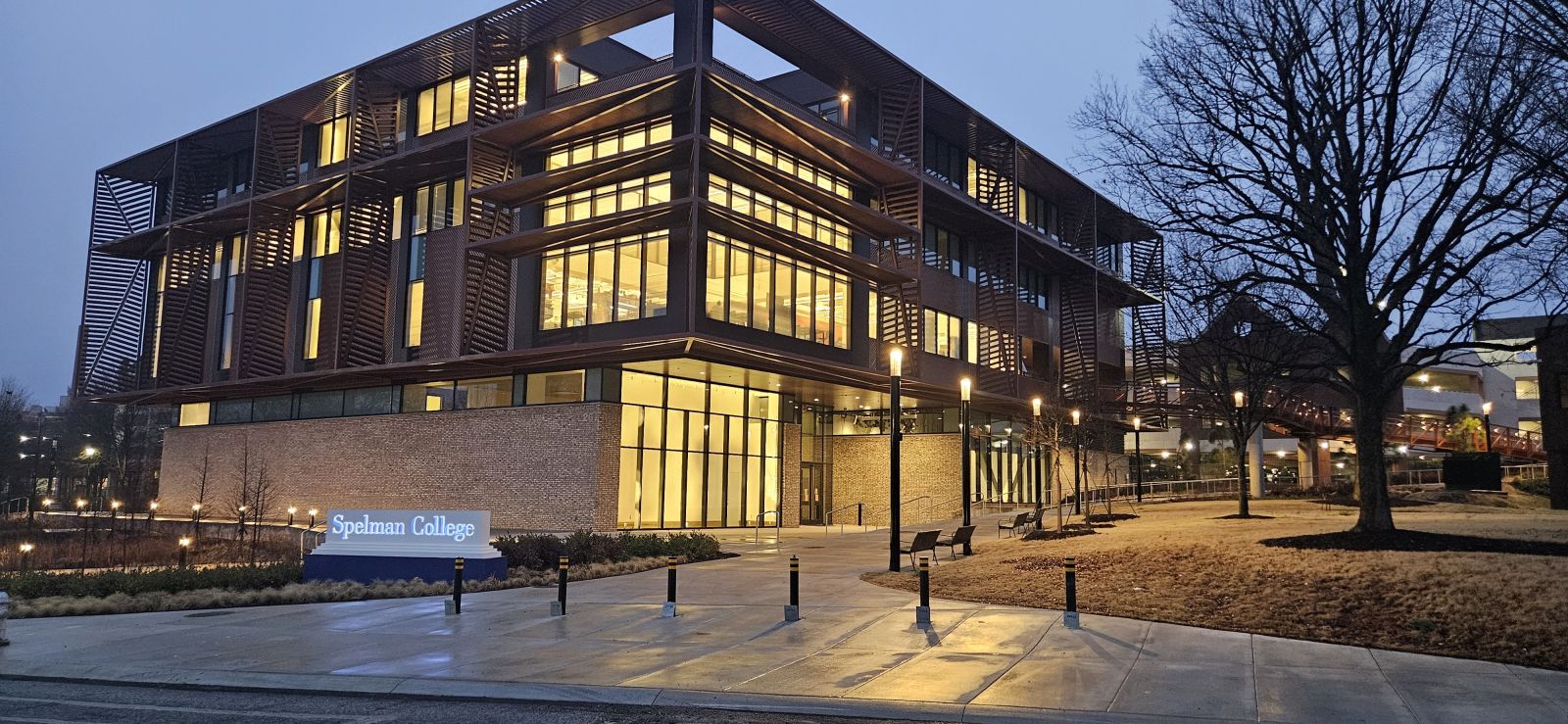
The final design balances theatricality and functionality, bringing clarity and atmosphere to a range of environments.
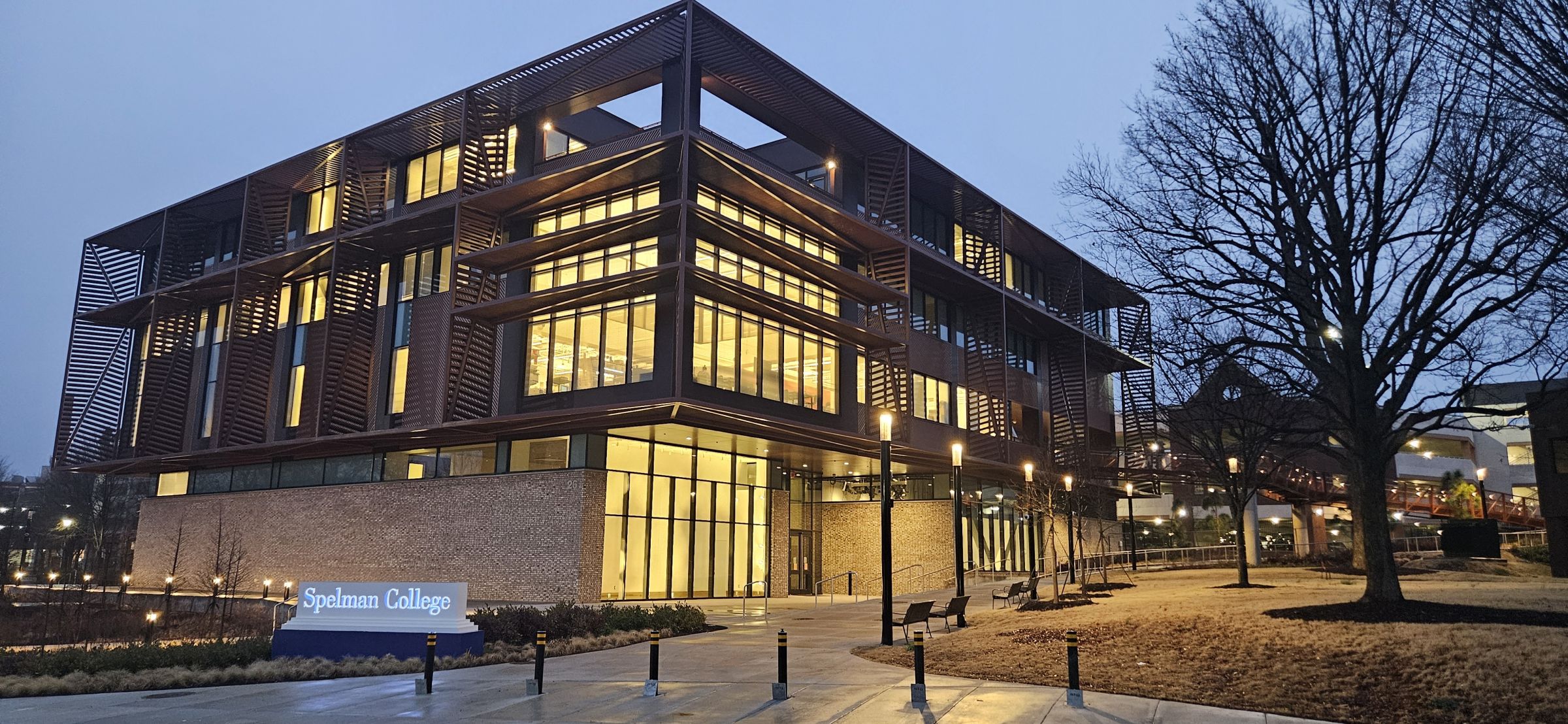
Spelman College—one of the nation’s most highly regarded HBCUs dedicated to educating and empowering women—has expanded its academic footprint beyond its historic gates with the Mary Schmidt Campbell Center for Innovation & the Arts. The 82,500-sq-ft facility brings arts and STEM programs together under a single multidimensional roof. Designed to serve both Spelman students and the surrounding Westside Atlanta community, the Center houses a theater, art gallery, dance studios, innovation labs, and informal gathering spaces. With a form that gestures outward and a mission rooted in participation, the building encourages activity and connection between campus and neighborhood.
Creative + Technical: The Morlights Approach
In close collaboration with Studio Gang, Thornton Tomasetti, and Theatre Projects, Morlights developed a lighting system as adaptable and forward-thinking as the programs it supports. The design balances theatricality and everyday functionality, providing clarity and atmosphere across a wide range of environments while meeting rigorous performance requirements.
Creative Strategy: Lighting as Atmosphere
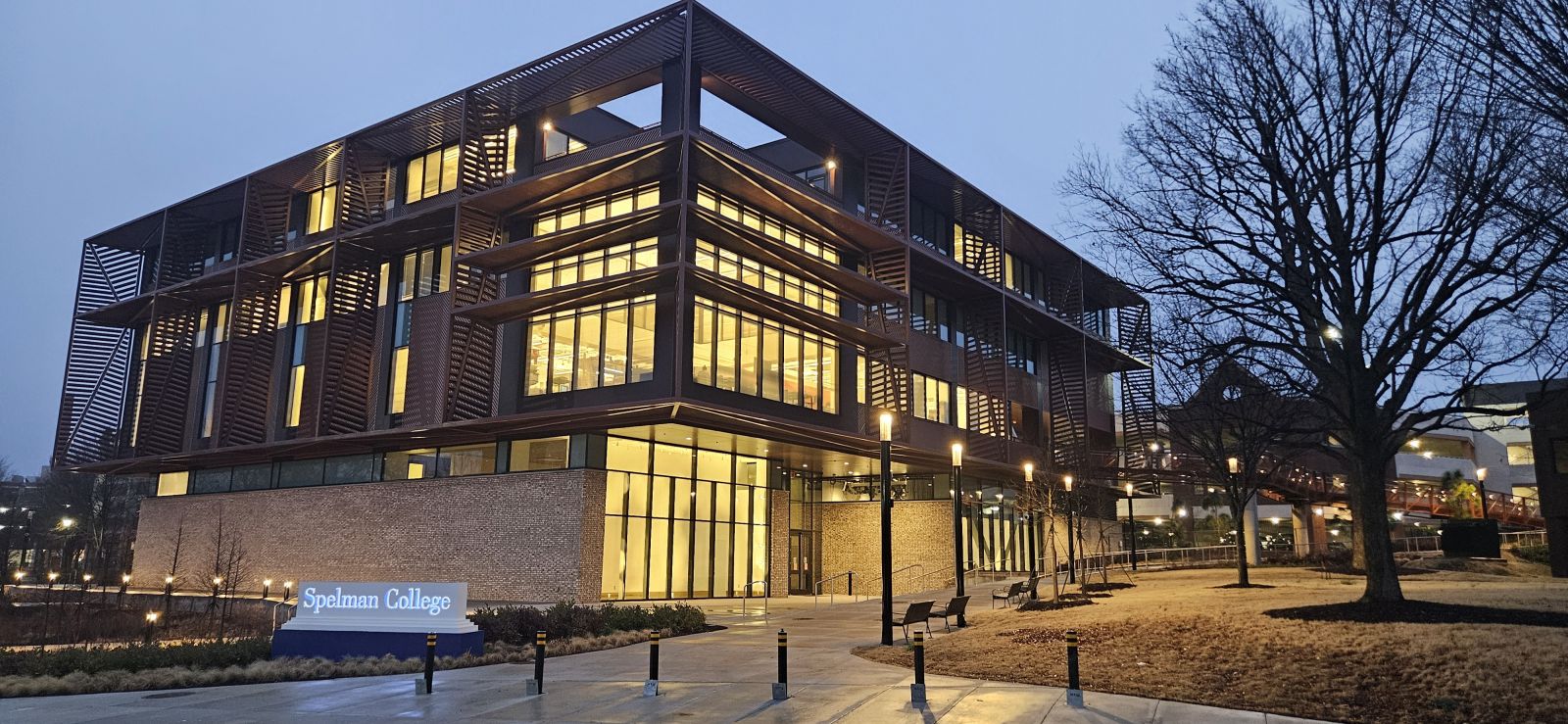
Light plays a defining role in how the Center is perceived and experienced, from its presence within the city to the daily lives of students inside. Front porches, lobby lounges, and gallery thresholds are shaped by warm, soft illumination that makes transitional spaces feel intentional and welcoming. Whether supporting spontaneous conversations or scheduled events, these spaces emit a curated glow. After sunset, the building becomes a luminous beacon within the neighborhood.
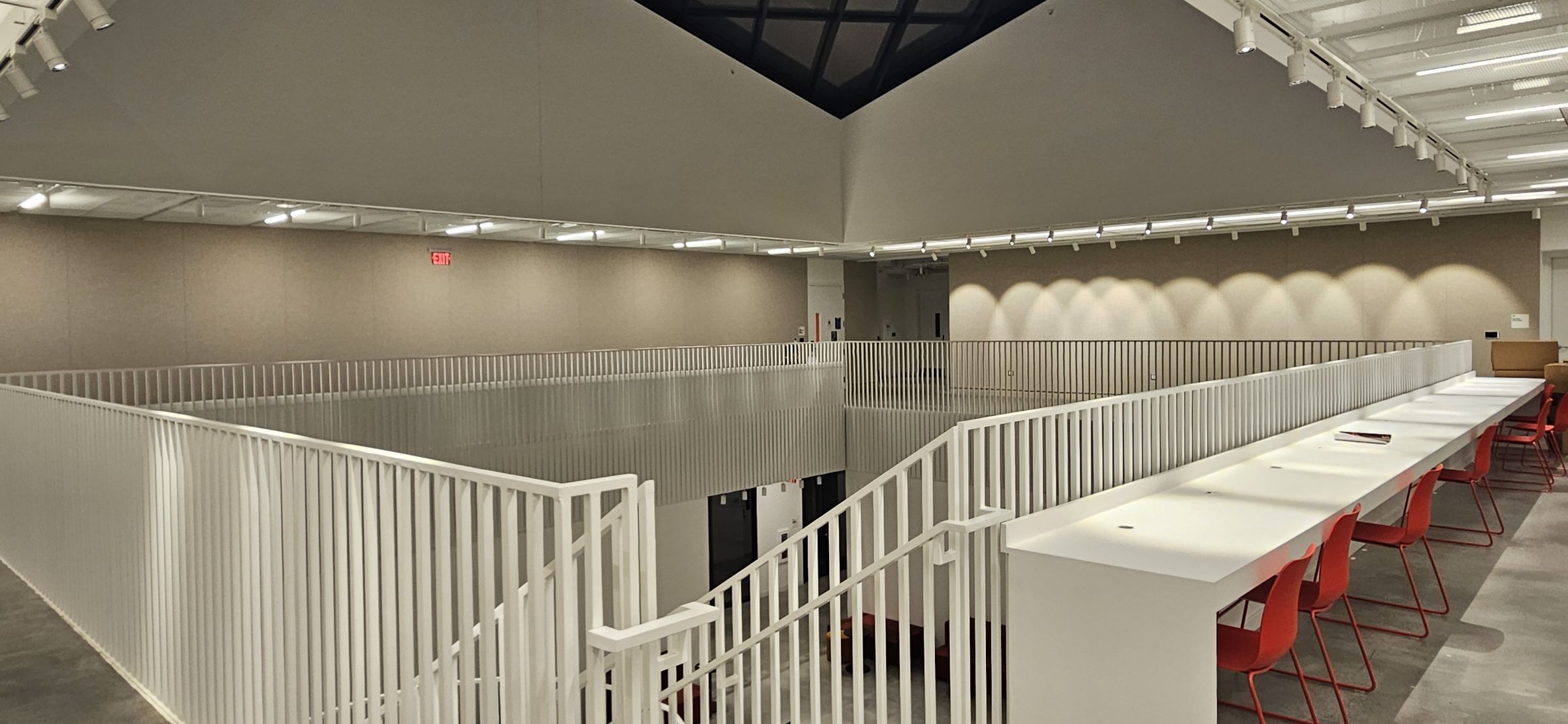
Morlights paired efficient, streamlined systems with a design approach that still felt deliberate and crafted. Linear LED uplighting integrated into architectural coves and soffits supported LEED goals while preserving the integrity of the architecture and adhering to COVID-era budget constraints.
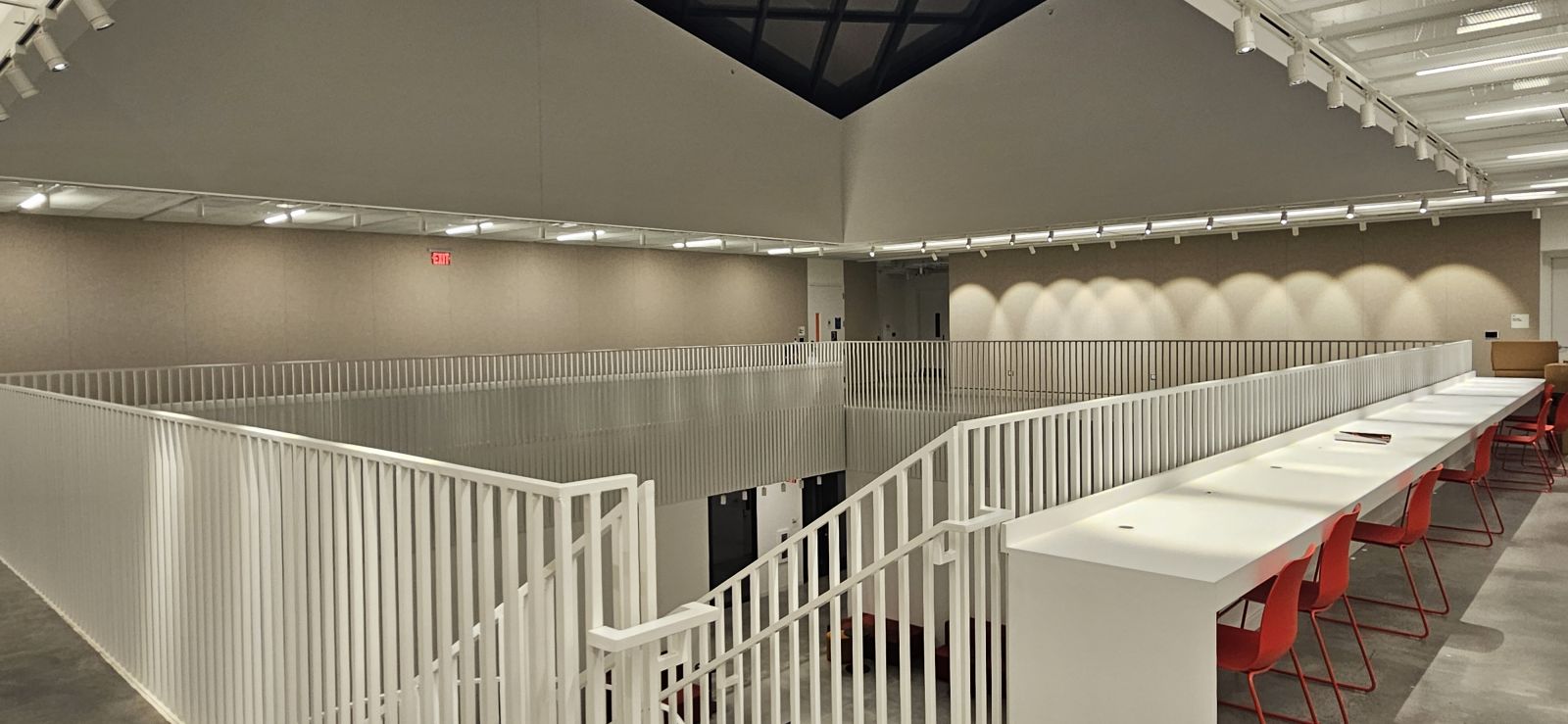
Studios, classrooms, and labs accommodate a wide spectrum of activity, from rehearsals and critiques to lectures and student showcases. Lighting for these varied environments is unified through a simplified material palette and tailored control strategies. Each space received a customized balance of finish, fixture type, and controllability—gallery-grade in public zones, utilitarian yet cohesive in maker spaces, and cost-effective but functional in back-of-house areas. Adjustable track systems with DALI-controlled heads provide flexibility as program needs evolve.
The building’s façade, animated by solar shades and brise-soleils, raised an essential design question: should these elements be illuminated at night? Morlights tested multiple lighting scenarios with site-specific renderings to compare direct illumination with ambient spill light. The final design leveraged the subtle glow created by interior lighting, an approach that conserved resources and aligned with architectural intention and budget priorities.
Technical Strategy: Behind the Glow
Meeting LEED goals required maximizing performance with fewer lumens. Morlights implemented a dual-mode strategy using both direct and indirect lighting layers to achieve code-compliant levels while reducing energy consumption. The use of uplighting further supported the building’s sustainability objectives.
Controls were designed with open-protocol technologies, including DMX for theatrical and performance spaces requiring instantaneous response, and DALI for public and academic spaces that benefit from nuanced presets. Simplified systems were used in classrooms and back-of-house areas to reduce cost while maintaining user comfort and functionality.
Luminaire selection centered on performance, integration, and adaptability. Track systems from Lighting Services Inc. provided strong optical quality and structural capacity for signage, projectors, and lightweight installations. In areas with acoustical panel ceilings, fixture placement was coordinated with ceiling modules. Product choices balanced size, glare control, and cost to create a consistent visual and technical language throughout the building.
Morlights also collaborated with Spelman’s IT and security teams to develop a cohesive site-lighting strategy that integrated luminaires, emergency blue-light stations, security cameras, and Wi-Fi antennas. Transparent pricing and early procurement coordination ensured the design intent was preserved through construction.
Design Outcomes
The lighting scope aligned with budget expectations and avoided the need for rework or substitutions during construction. Early coordination with architectural and engineering teams minimized downstream challenges. Performance-driven specifications produced high-quality results with systems that remain manageable and intuitive for end users. A unified visual and technical language ties together the Center’s diverse spaces, and lighting controls support both spontaneous activity and programmed events with equal ease.
Conclusion
The Mary Schmidt Campbell Center is an incubator for expression, invention, and learning. Through clear collaboration, rigorous technical standards, and a creative vision rooted in people and place, Morlights’ lighting design weaves atmosphere with infrastructure, helping the building shine for Spelman’s present and future.